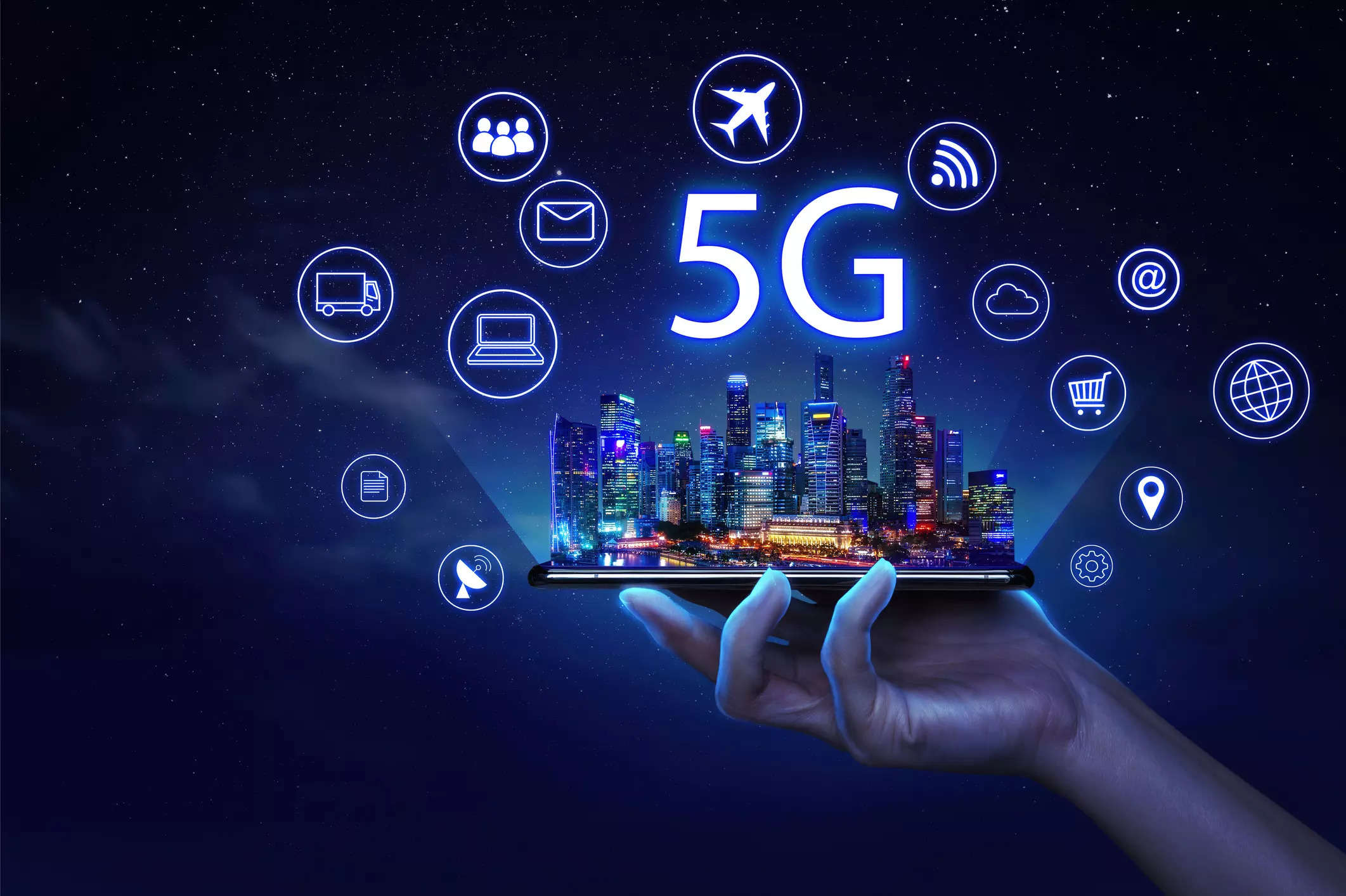
The Rise of 5G Mobile Service: What You Need to Know
The world of mobile communication is on the cusp of a major revolution, thanks to the advent of 5G technology. 5G is the fifth generation of mobile network technology that promises to offer faster download and upload speeds, better connectivity, and lower latency than the current 4G technology. In this article, we will discuss the benefits of 5G mobile service and how it will change the way we interact with our mobile devices.
With the recent advent of 5G technology, the world of mobile service has been transformed. This new technology promises faster speeds, lower latency, and a more reliable connection. Here is what you need to know about 5G mobile service.
What is 5G Mobile Service?
5G is the fifth generation of mobile network technology. It is the successor to 4G and promises to be up to 100 times faster than its predecessor. 5G uses higher-frequency radio waves than 4G, which allows for faster data transfer speeds. In addition, 5G has lower latency, meaning there is less lag time between sending and receiving data.
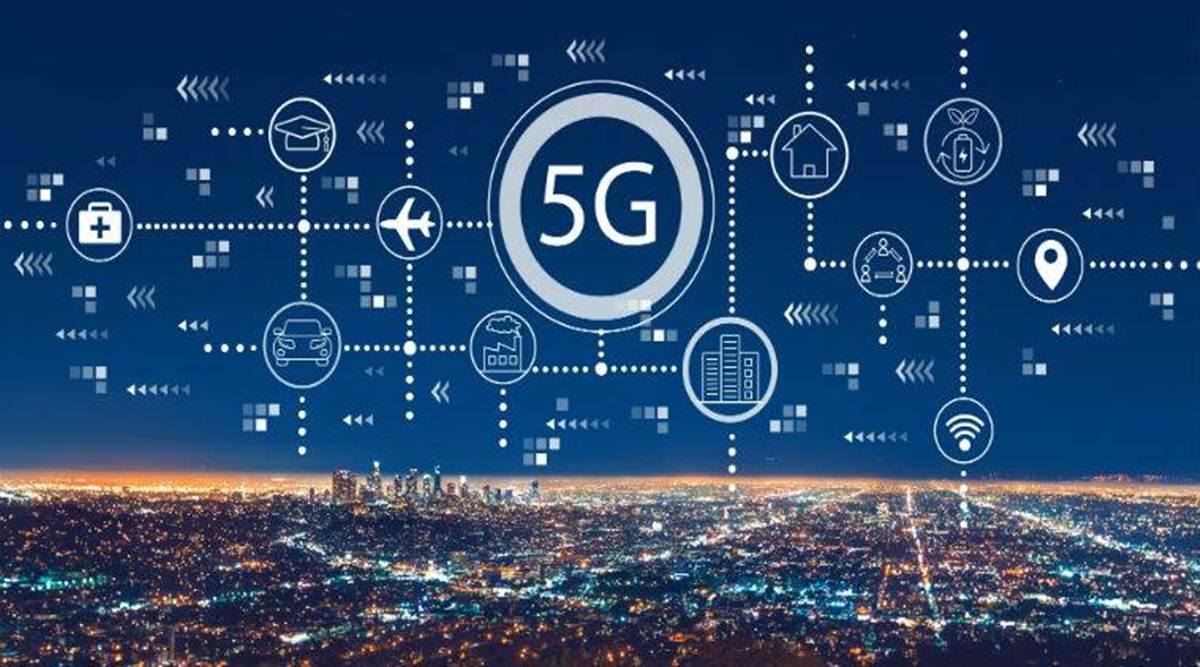
Benefits of 5G Mobile Service
The benefits of 5G mobile service are numerous. Here are some of the key benefits:
Faster Speeds: 5G promises speeds that are up to 100 times faster than 4G. This means you can download movies, music, and other files in seconds, rather than minutes.
Lower Latency: With 5G, there is less lag time between sending and receiving data. This means that you can enjoy smoother streaming and video calls.
More Reliable Connection: 5G uses multiple antennas to provide a more reliable connection. This means that you can expect fewer dropped calls and less buffering
Increased network capacity: With 5G, more devices can be connected to the network simultaneously without any impact on performance. This means that there will be less congestion on the network, even in crowded areas.
Enables new technologies: 5G is expected to enable a wide range of new technologies, such as autonomous vehicles, virtual reality, and remote healthcare. This is because of its high speed and low latency, which make it possible to transmit large amounts of data in real-time.